Identify whitespace opportunities.
See the flavors, formats and occasions your category hasn’t claimed yet.
See the flavor, ingredient and menu trends forming in your markets — before they show up in a published report.
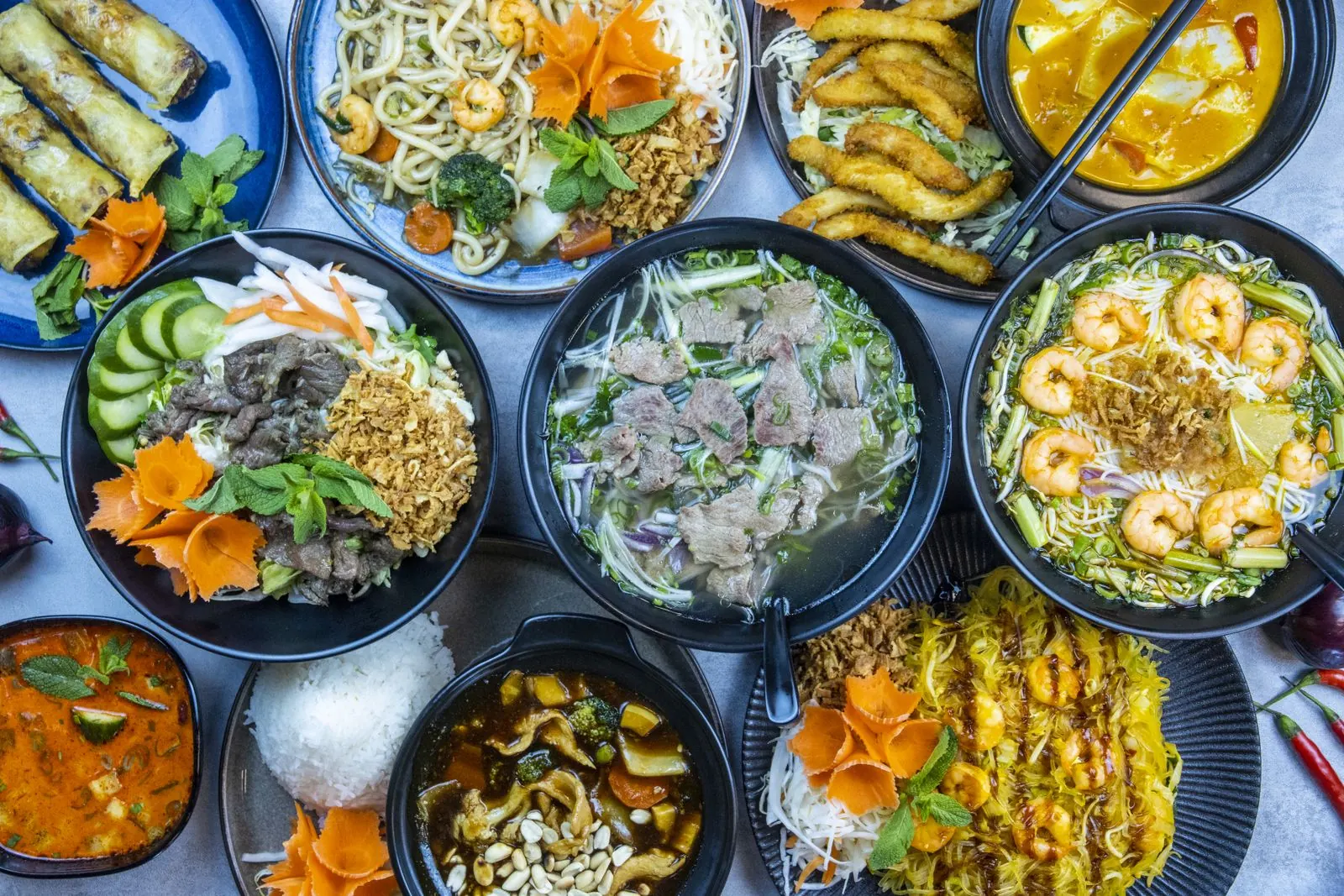

See the flavors, formats and occasions your category hasn’t claimed yet.
Shape new products and menu items around what consumers are already asking for.
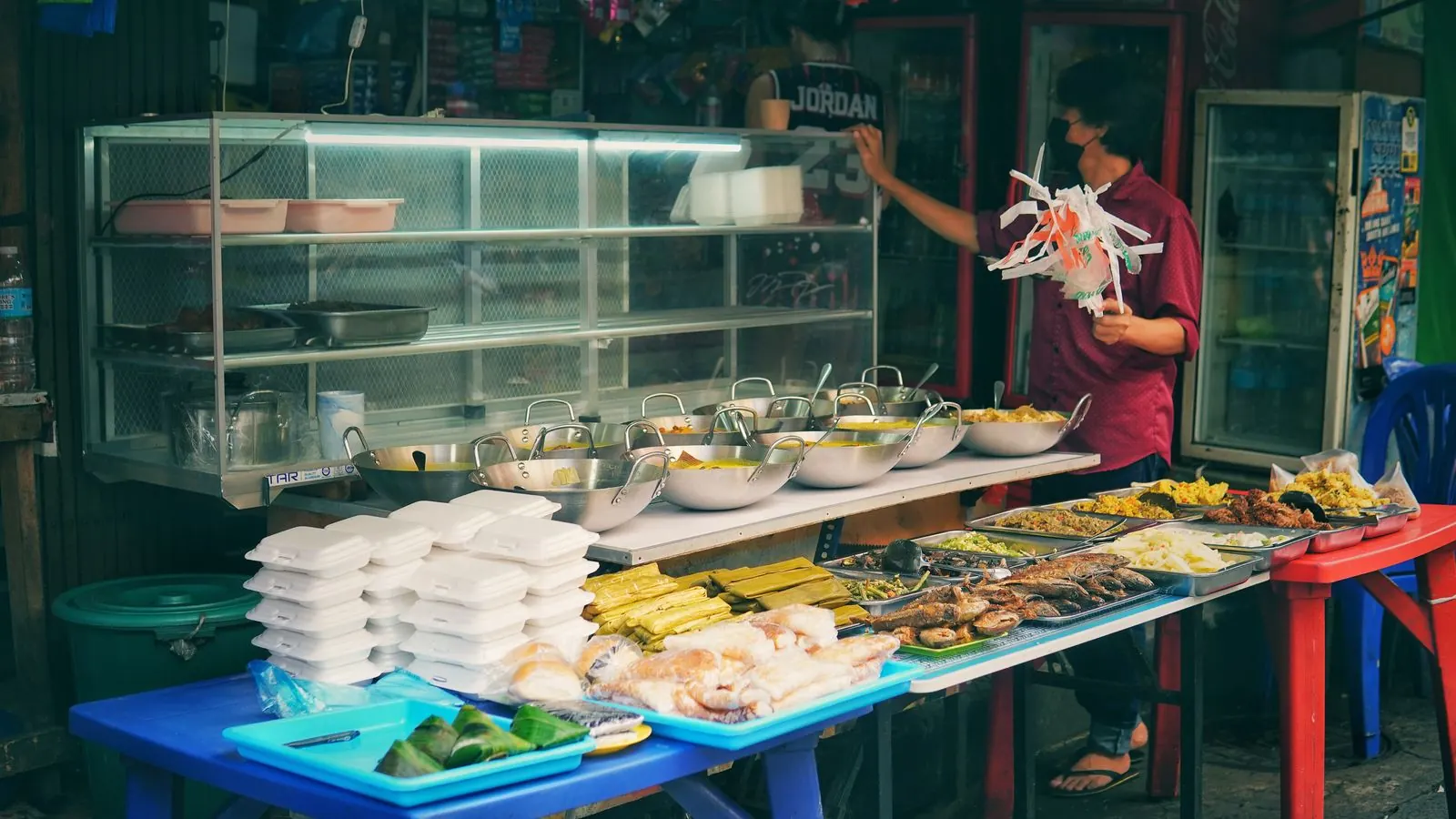
Act while the window is still open — not after the trend has peaked.
What is emerging, what is established, what is fading — across every market you care about.
Food conversation, video, menus, reviews and imagery are captured in local languages, scored and re-weighted continuously — one view of what consumers will eat and drink next.
Every signal ingested, scored and re-weighted continuously.
Every modality your category lives in.
Built from real, observed signals.
Local language models and cultural-context scoring.
Imagery
For category and innovation leadership.
VP, Innovation · Director, Category Strategy · Head of Consumer Insights
Menu-level evidence, not chatter →
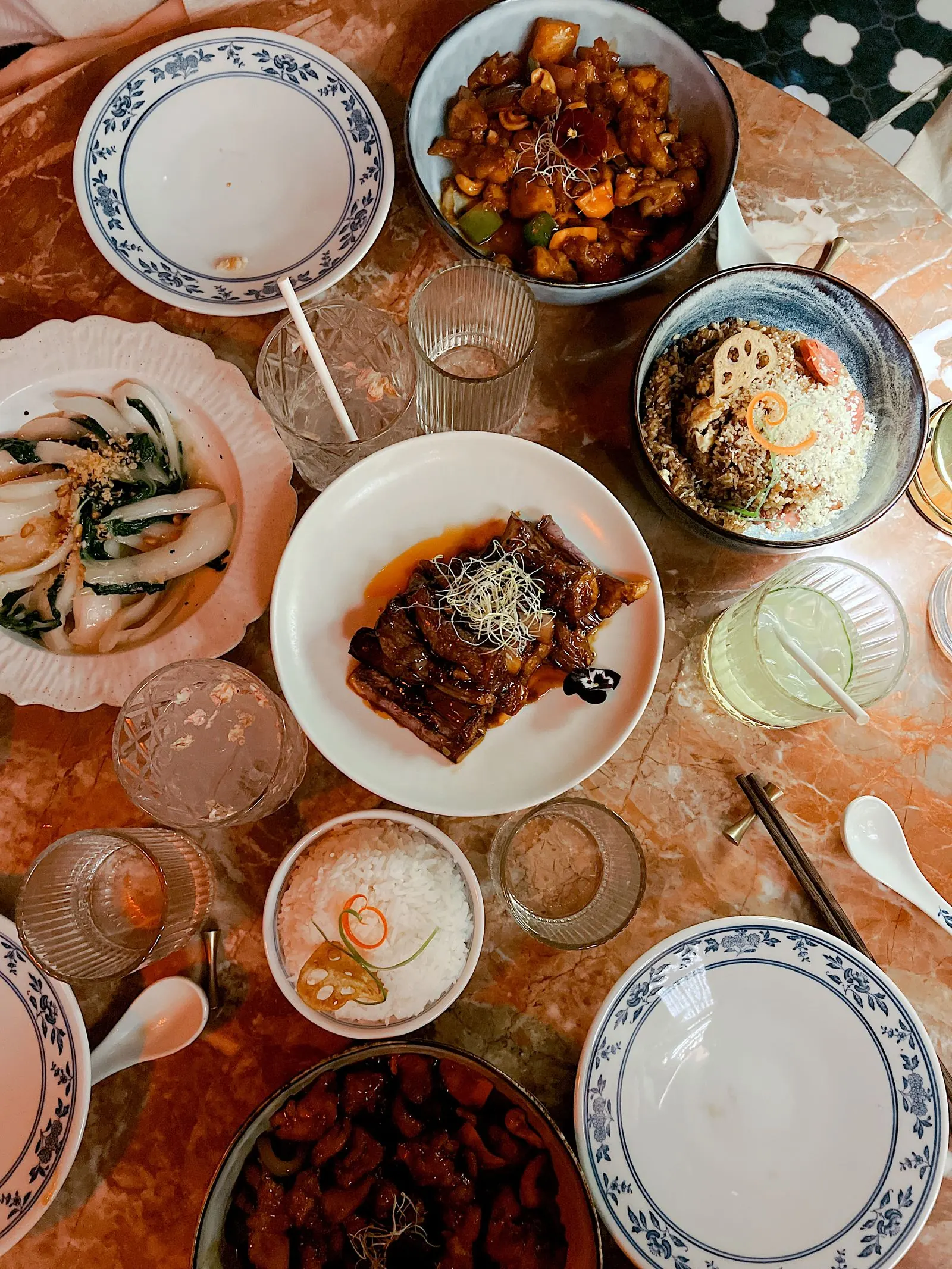
For commercial and creative leads.
Regional Commercial Director · Flavorist · Creative Lead · Head of Marketing & Insights
In-language capture, per market →
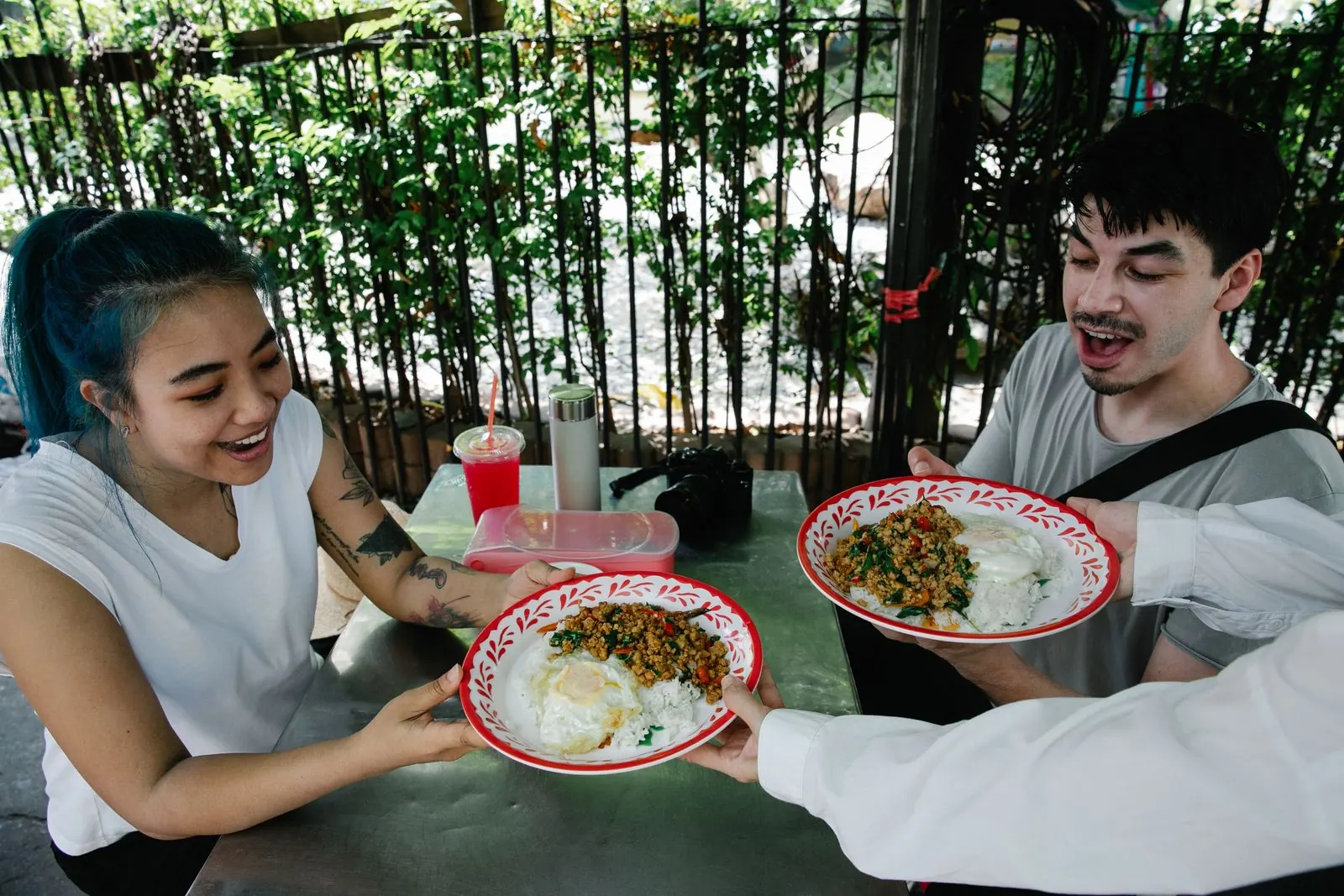
For menu R&D and culinary leadership.
Director of Menu Innovation · Culinary R&D Lead · Head of Beverage Programs
Multimodal signals, one index →
A selection of the languages we read. Coverage grows with our clients.
A trend report describes a window that has already closed. TasteRadar rebuilds its index as new signals land. You can argue with the number, which is not something a report lets you do.
Two source types are interpreted into the index today: social video, and operator menus — both independent outlets and chain brands, which are counted separately because they answer different questions. Consumer reviews, outlet photography and trade movement are collected alongside them. Signals are read in the language they appear in, across APAC.
AI-native. The index is the product, not a dashboard with a model bolted on: scores are recomputed from the signals themselves rather than maintained by hand, and every build is versioned, so you can tell which build a figure came from.
From what was observed and counted — how many clips carry an item, what share of a stated set of menus lists it, and how that moved across the observation window. The denominator is always named, and the method sits on the page next to the number.
Items are read in the language they appear in and carry their local-language name through to the board. Thai menu text is matched as Thai and Chinese as Chinese — nothing is translated into English first and scored there.
Access is by request through the form. We work in cohorts, not at scale, so every request gets a reply from a person and a briefing on the coverage that is actually live for your markets.

Our team will be in touch within 48 hours to brief you on relevant coverage and arrange a working session.
Request Access