How TasteRadar turns signals into decisions.
The same disciplined process sits behind every call — from the first signal we read to the briefing your board sees.
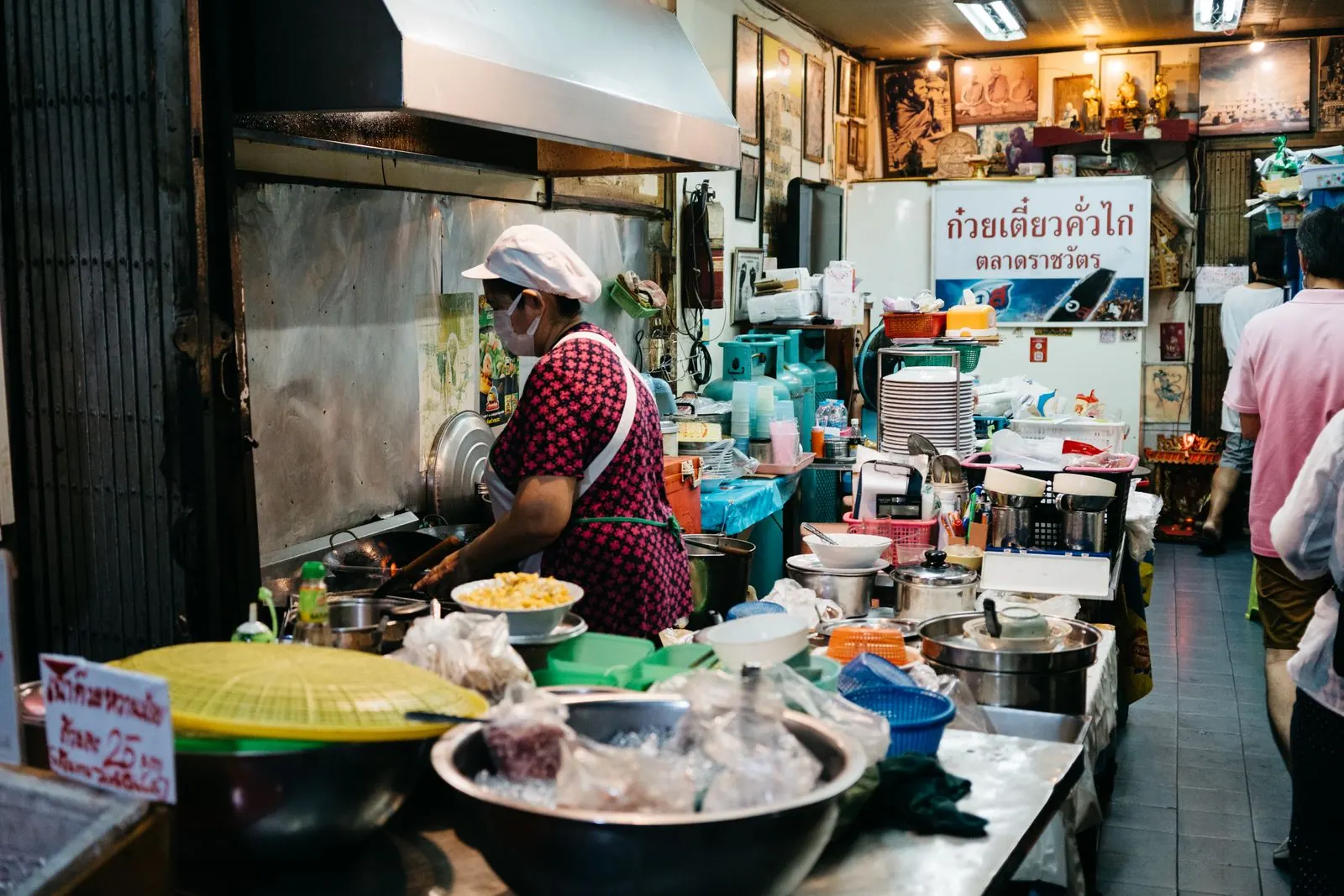

Five steps. One discipline.
Signal ingestion
Multiple signal types captured where food culture actually happens.
Language normalisation
Read in the original language and script, with local names kept.
Matching
Every mention tied to the right dish, ingredient and market.
Scoring & ranking
Momentum, adoption and context weighed together, not counted alone.
Briefing
Calls published for your team, ready for the next category review.
What makes the approach different.
One signal is never enough.
Every signal is checked against others. A spike that nothing else confirms is treated as noise, not a trend.
Built for the window, not the post-mortem.
Calls are rebuilt as new collections land, so you act while a trend is still forming.
Forward-looking by design.
Designed to detect emerging combinations, occasions and formats before they saturate.
Reasoned, not a black box.
Calls rest on factors your team can understand — momentum, adoption and context — so they hold up in the boardroom.
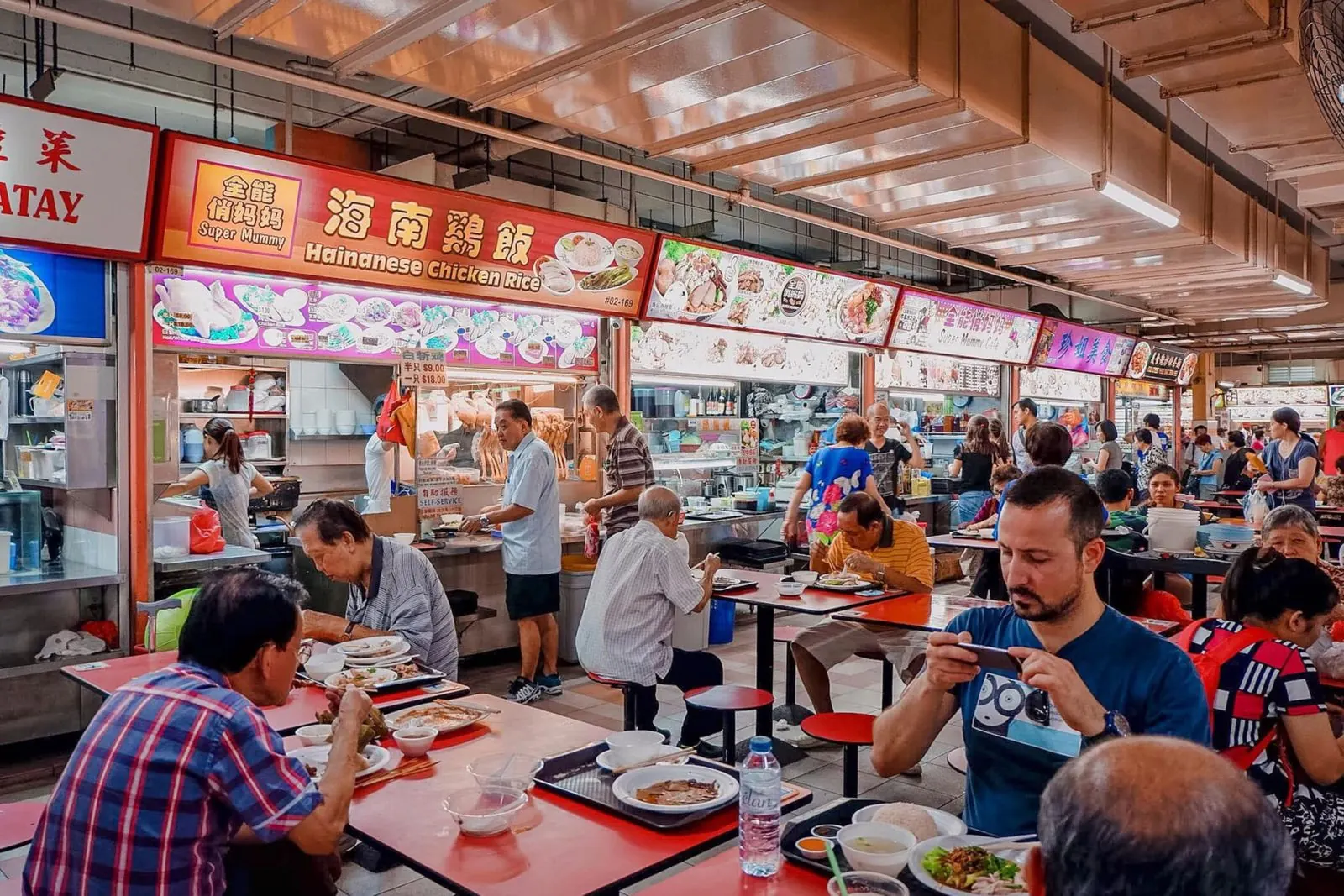
Fewer, better opportunities — each one you can defend.
That is the standard every step above is built to meet.
Talk to us about how TasteRadar reads your category.
Bring a category and a market. We will walk you through how the index reads it.